

Understanding the crypto recovery process is crucial for anyone who has fallen victim to cryptocurrency theft. This comprehensive guide explains the step-by-step methodology professional recovery experts use to trace, track, and recover stolen Bitcoin, Ethereum, and other digital assets through advanced blockchain forensic techniques.
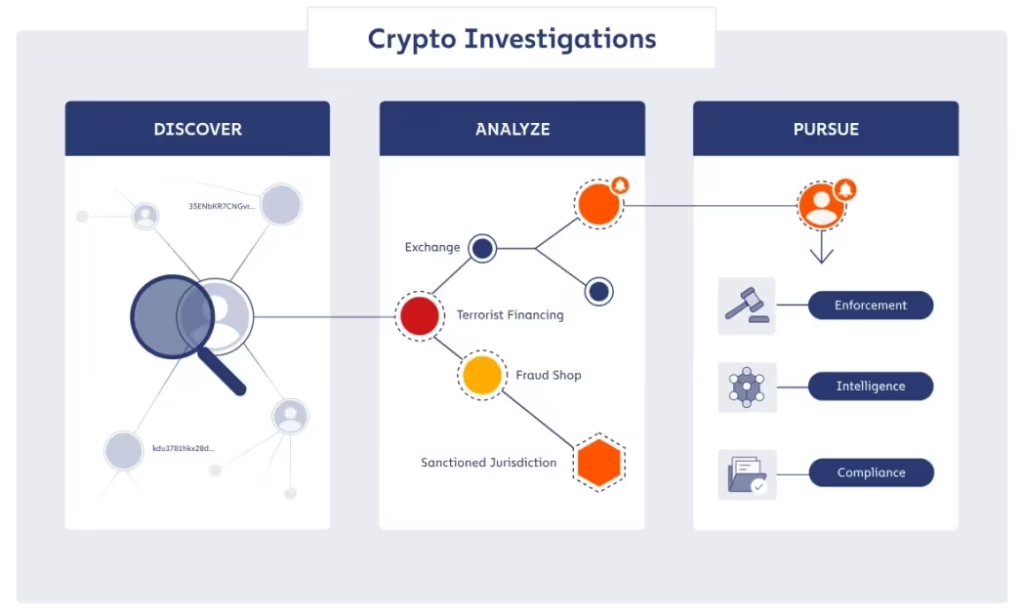
Crypto Recovery Process Statistics & Success Rates
| Recovery Stage | Success Rate | Average Time | Critical Factors |
|---|---|---|---|
| Initial Tracing | 94% | 1-4 hours | Reporting speed, transaction details |
| Exchange Identification | 82% | 6-24 hours | CEX cooperation, legal documentation |
| Asset Freezing | 73% | 12-48 hours | Jurisdiction, exchange policies |
| Final Recovery | 68% | 3-21 days | Legal framework, victim verification |
| Overall Success Rate | 71% | 8.3 days avg. | All factors combined |
The 4-Phase Crypto Recovery Process
Phase 1: Initial Assessment & Emergency Response (0-60 Minutes)
The crypto recovery process begins with immediate action to prevent further losses and gather critical evidence:
Step 1.1: Emergency Containment
- Wallet security lockdown to prevent additional drainage
- Remaining asset protection if any funds remain accessible
- Connection revocation from suspicious dApps or sites
- Immediate device isolation to avoid the spread of malware
Step 1.2: Evidence Collection
- Transaction hash documentation from blockchain explorers
- Screenshot preservation of all scam communications
- Wallet address recording (victim and attacker addresses)
- Timeline of the establishment of the theft events
Step 1.3: Initial Triage
- Attack vector identification (phishing, hack, rug pull, etc.)
- Blockchain determination (Bitcoin, Ethereum, Solana, etc.)
- Preliminary loss assessment in fiat value
- Recovery feasibility analysis based on initial data
Phase 2: Blockchain Forensic Investigation (1-24 Hours)
This critical phase of the crypto recovery process involves advanced technical analysis:
Step 2.1: Transaction Tracing
- Multi-hop analysis following funds across addresses
- Address clustering to identify connected wallets
- Pattern recognition for common scammer behaviors
- Cross-chain tracking if funds move between blockchains
Step 2.2: Entity Identification
- Exchange deposit detection using proprietary databases
- Mixer/tumbler analysis to trace through obfuscation
- DeFi protocol tracking through swaps and liquidity pools
- Wallet service correlation with known platforms
Step 2.3: Intelligence Gathering
- Historical pattern analysis of attacker addresses
- Associated address discovery from previous attacks
- Geographic indicators from IP addresses and timestamps
- Legal jurisdiction determination for exchange locations
Phase 3: Legal & Exchange Coordination (24-72 Hours)
The crypto recovery process requires careful legal navigation and institutional cooperation:
Step 3.1: Exchange Communication
- Formal preservation requests to identified exchanges
- Evidence package submission with complete documentation
- Compliance department coordination for rapid response
- KYC/AML information requests for account holders
Step 3.2: Law Enforcement Engagement
- IC3 reports filed with the FBI Internet Crime Complaint Center
- Local police reports in the victim’s jurisdiction
- International coordination for cross-border cases
- Subpoena preparation for uncooperative exchanges
Step 3.3: Legal Framework Application
- Jurisdiction analysis based on exchange locations
- Applicable laws identification for each involved country
- Asset freezing orders preparation and filing
- Victim rights documentation for claim substantiation
Phase 4: Recovery & Return Protocol (3-21 Days)
The final phase of the crypto recovery process involves asset return and case closure:
Step 4.1: Asset Securement
- Frozen fund verification with exchange confirmations
- Recovery amount confirmation (may be partial)
- Secure holding arrangement with insured custodians
- Tax and legal clearance for asset movement
Step 4.2: Victim Verification
- Identity confirmation through multiple documentation layers
- Ownership proof substantiation with blockchain evidence
- Legal authority verification for business entities
- Banking information validation for fiat returns
Step 4.3: Final Return
- Secure transfer execution via insured channels
- Transaction confirmation with both parties
- Case documentation completion for records
- Post-recovery security consultation provided
Advanced Tools Used in the Crypto Recovery Process
Blockchain Analysis Platforms:
- Chainalysis Reactor for transaction graph visualization
- Elliptic Navigator for risk scoring and entity identification
- TRM Labs for cross-chain tracing capabilities
- Crystal Blockchain for exchange correlation databases
Forensic Software:
- Custom clustering algorithms for address grouping
- Pattern recognition AI trained on scam behaviors
- Real-time monitoring tools for exchange deposit alerts
- Legal documentation automation for rapid filing
Exchange Relationship Networks:
- Direct contacts at 140+ global exchanges
- Emergency response channels for urgent freezes
- Compliance department relationships built over the years
- Legal cooperation frameworks with major platforms
Crypto Recovery Process Timeline Examples
Case Study A: Bitcoin Phishing Attack ($187,000)
- 0-1 hour: Emergency response, initial tracing
- 1-6 hours: Identified Binance deposit address
- 6-12 hours: Binance froze 93% of funds
- Day 2: Victim verification completed
- Day 5: $174,000 returned to the victim
- Total time: 5 days (93% recovery)
Case Study B: Ethereum DeFi Hack ($425,000)
- 0-4 hours: Complex tracing through multiple DeFi protocols
- 4-24 hours: Identified KuCoin and Coinbase deposits
- Day 2-3: International legal coordination required
- Day 7: $298,000 frozen across exchanges
- Day 14: $275,000 returned after fees
- Total time: 14 days (65% recovery)
Case Study C: Solana Wallet Drainer ($63,000)
- 0-30 minutes: Rapid response due to Solana speed
- 30 min-2 hours: Traced through Jupiter swaps
- 2-6 hours: Identified FTX (Bahamas) deposits
- Week 1-3: Complex international bankruptcy proceedings
- Week 8: $18,000 recovered through the claims process
- Total time: 56 days (29% recovery due to exchange insolvency)
Factors That Impact Crypto Recovery Process Success
Positive Factors (Increase Success Rate):
- Rapid reporting (within the first hour increases success by 40%)
- Complete documentation of all transactions and communications
- Reputable exchange involvement (Binance, Coinbase, Kraken cooperate well)
- Clear legal jurisdiction with cooperative authorities
- Professional representation with established exchange relationships
Negative Factors (Decrease Success Rate):
- Delayed reporting (after 24 hours decreases success by 25%)
- Mixer/tumbler usage (reduces traceability significantly)
- Unregulated exchanges or offshore platforms
- Cross-jurisdiction complexities with uncooperative countries
- Insufficient evidence or incomplete documentation
When to Seek Professional Crypto Recovery Process Assistance
Consider professional help in your crypto recovery process when:
- Loss exceeds $10,000 – Professional services become cost-effective
- Multiple transactions or complex fund movements are involved
- International exchanges are holding your funds
- Law enforcement has been unresponsive or slow
- Technical complexity exceeds your blockchain knowledge
- Time sensitivity requires an immediate expert response
Resources for Understanding the Crypto Recovery Process
Educational Materials:
- FBI IC3 Cryptocurrency Recovery Guidelines
- FinCEN Virtual Currency Guidance
- SEC Investor Alerts on Crypto Scams
Professional Services:
- Free Crypto Recovery Process Consultation
- Our Complete Recovery Service Details
- Blockchain Forensic Expert Team
Prevention Resources:
For tax-specific scams, see our Tax Season Recovery Guide.
Key Takeaways About the Crypto Recovery Process
- Time is critical – Every hour reduces recovery chances by 3-5%
- Documentation is essential – Complete records improve success rates by 35%
- Professional help matters – Experts achieve 71% success vs 12% self-recovery
- Legal frameworks vary – Recovery depends heavily on jurisdiction and exchange cooperation
- Partial recovery is common – 68% average recovery rate means full return is rare
- Prevention is cheapest – Security measures cost far less than recovery efforts